Thursday, September 8, 2022

SCIENCE UNIT 1 LIVING THINGS 5th


SCIENCE UNIT 1
LIVING THINGS


Hello kids! Welcome to our new science unit about Living Things. In this unit we are going to learn many different things about the living things that live on our planet. You will study really interesting facts about different animals and plants and also about your body. 

Are you ready for a new adventure?
Let´s go!

CHARACTERISTICS OF LIVING THINGS


VITAL FUNTIONS OF LIVING  THINGS 


HUMAN CELLS
 

CELL COMPLETE VIDEO: CELL VIDEO


LIVING THINGS CLASSIFICATION
 
 
THE KOMODO DRAGON

CELL PROJECT


Here you can see some examples of animal and plant cells for you to take into account when doing your project. 

These are the steps to follow:


1. Choose between an animal or plant cell. 

2. Make a sketch or rough draft of your cell on a piece of paper. 

3. Choose the materials you will need in order to make your project (spheres, buttons, marbles, macaroni, glitter, toothpicks, etc). 

4. Choose the base that you will use to place all the parts of the cell (a box, cardboard, etc). 

5. Make your own cell. 

6. Decorate it.

 7. Practice for a presentation to a partner in class. 

8. Have fun!


Monday, October 5, 2020

SCIENCE

                                                            SCIENCE UNIT 3

                                    LIVING THINGS

     Hello kids! Welcome to our new science unit about Living Things! In this unit we are going to learn many different things about the living things that live on our planet. 

Are you ready?
Let´s start!


VIDEO 1 LIVING AND NON LIVING THINGS


Thursday, April 16, 2020

SCIENCE

Friday, 17th of April

Hello children!

How are you doing?

Here you are the next video with today´s science lesson (Empezamos de nuevo el Tema 3: El reino animal pero, esta vez con los libros)

UNIT 3 LESSON 1

Have a great weekend, stay home, have fun and see you on Monday!
Wednesday, April 15, 2020

ENGLISH

Thursday, 16th of April

Good morning boys and girls!
How are you? I hope that you and your families are okay and that you had a good Easter break.
We are going to continue posting your work here everyday, so please, check your blog day by day.

We start Unit 5 WHY ARE ANIMALS AMAZING? and this is our Lesson 1.

(A continuación tenéis un enlace con un vídeo donde hemos usado un programa para grabar la pantalla del ordenador y la explicación. Durante la proyección podréis escuchar los audios, ver el vídeo de introducción y veréis como cambiamos del libro de clase al libro de actividades. Podéis pausar los audios o escucharlos de nuevo si lo necesitáis)

https://drive.google.com/file/d/1HPaLiuLbgLqGMBYfVPN1jPlYxadS2P48/view?usp=sharing

See you tomorrow!

Thursday, April 2, 2020

LENGUA

Viernes, 3 de abril

¡Buenos días chicos y chicas! ¡Ya es viernes!
Hoy vamos a trabajar la R fuerte y la r suave.

La r fuerte se escribe r al principio de palabra: rayo.

La r fuerte se escribe rr entre vocales: perro.

La r suave se escribe r entre vocales: pera.

Podéis escuchar esta canción ¡Todos a cantar!


Wednesday, April 1, 2020

SCIENCE

Thursday, 2nd of April

Good morning children! How are you today?

We continue with FISH.

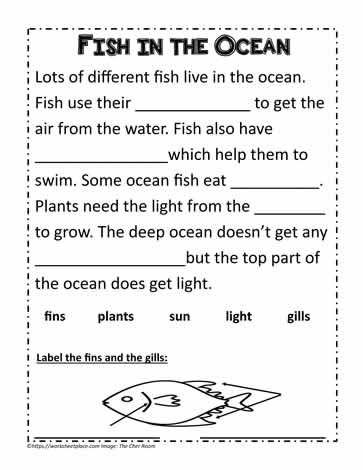
Fish have scales (escamas) and fins (aletas) They breathe with gills (branquias) They live in rivers (ríos), lakes (lagos) and oceans (océanos) They lay soft eggs in water. Fish eat plankton (plancton), insects (insectos), other fish (otros peces) and water plants (plantas acuáticas)

Let´s watch this video!


Now, listen to the song!


Read these characteristics about these animals and copy them in your notebook or in a piece of paper.

CBM CEIP PINTOR PEDRO CANO: FISH | Animals for children. Kids videos


Here, you can see the main parts of fish:

Cole San Miguel 1º Primaria: Natural Science: Animals' classification
Activities:

1. Draw a fish and use these words to label the fish´s body parts: EYE, MOUTH, GILLS, TAIL FIN, FIN and SCALES.

2. Copy this text in your notebook or in a piece of paper and complete it with the missing words.

Fish Worksheet Worksheets 
(Answers: gills, fins, plants, sun, light)

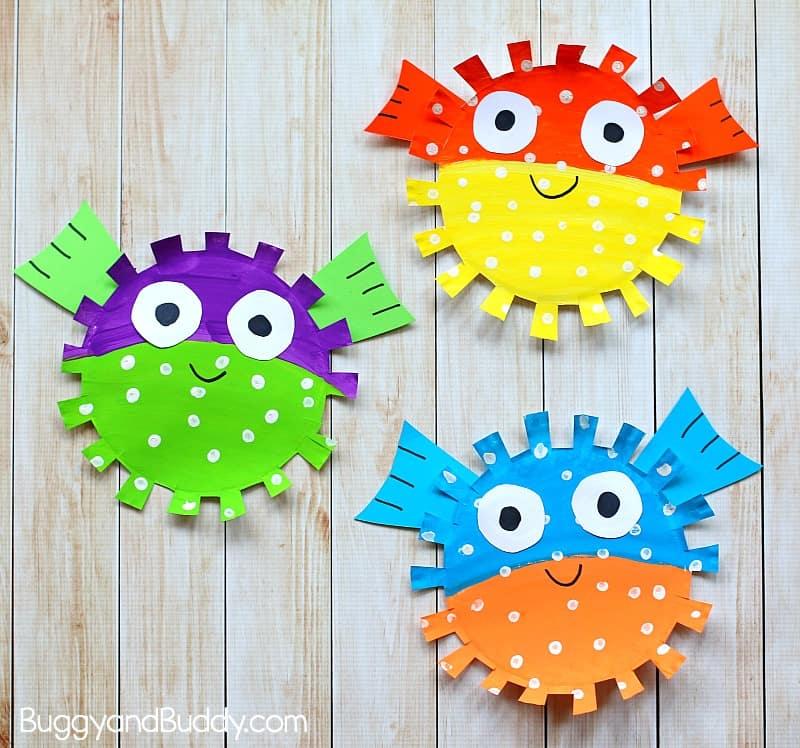
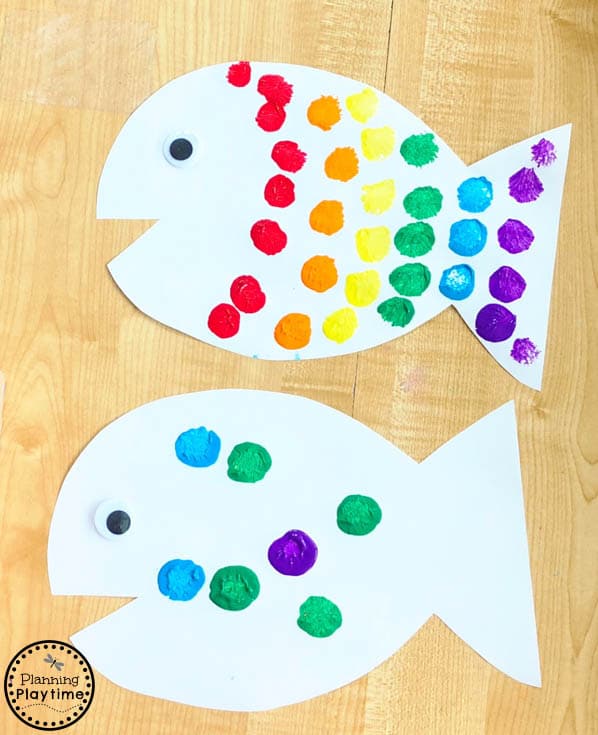
Let´s look at these crafts, can you try one of them? (optional)


Paper Plate Pufferfish Craft for Kids - Buggy and Buddy   Rainbow Fish Craft - Planning Playtime

Myiahs hand-fish :) #fish #art #toddler #hand #handprint | Toddler ...    Paper Plate Fish Craft Inspired by The Rainbow Fish - | Paper ...

Cómo hacer un pez con un CD - YouTube


BYE BYE! SEE YOU LATER ALLIGATOR!

Tuesday, March 31, 2020

MATEMÁTICAS

Miércoles, 1 de abril

En mates también empezamos tema nuevo, el tema 9 (Veo, veo, peces de colores) y nueva tabla de multiplicar para aprender. La tabla del 4.
Os dejo esta canción, ¡ya veréis qué chula!
 

LENGUA

Miércoles, 1 de abril

¡Buenos días a tod@s! ¿Cómo estáis? Ya estamos a mitad de semana. 💪

En el nuevo tema de Lengua (Tema 9) hoy vamos a trabajar las palabras polisémicas, así que aquí os dejamos alguna cosita extra para echarle un vistazo.

Las palabras polisémicas son palabras que tienen más de un significado. En este video os lo explican y os dan algún ejemplo.


Aquí tenéis una lista:
Compartir PT y Al: Fichas de Lengua de 2º de primaria.

1. Coloca las siguientes palabras polisémicas en el lugar correspondiente (Copia las oraciones en tu libreta o en un folio) (opcional)
EL BLOG DE SEGUNDO: LAS PALABRAS POLISÉMICAS
  ¡Hasta mañana! 😘

Monday, March 30, 2020

SCIENCE

Tuesday, 31st of March

LESSON 5: REPTILES AND AMPHIBIANS

Good morning guys!

Today, we are going to continue with reptiles and amphibians.
What do you know about them? Let´s think 💭💭💭

Reptiles lay hard eggs on land. They breathe with lungs (pulmones) and have scales (escamas).


Amphibians lay soft eggs in water. At first they breathe with gills (branquias), then develop lungs when they are adults. They have moist skin (piel húmeda)


Let´s listen to these two songs:


Activities (Do them in your notebook or in a piece of paper)

 1. Reptile or amphibian? Put them in the correct place: frog (rana), turtle (tortuga), snake (serpiente), crocodile (cocodrilo), toad (sapo), lizard (lagartija).
      
            REPTILE            AMPHIBIAN


2. Classify the following sentences into REPTILES and AMPHIBIANS (We will send you the audio by mail 😀😀😀)

- They live on land and in water.
- They have soft, moist skin.
- They have dry skin and scales.
- They lay hard eggs on land.
- They lay soft eggs in water.
- They breathe with lungs.
- They breathe with gills and later with lungs.

          REPTILES                AMPHIBIANS

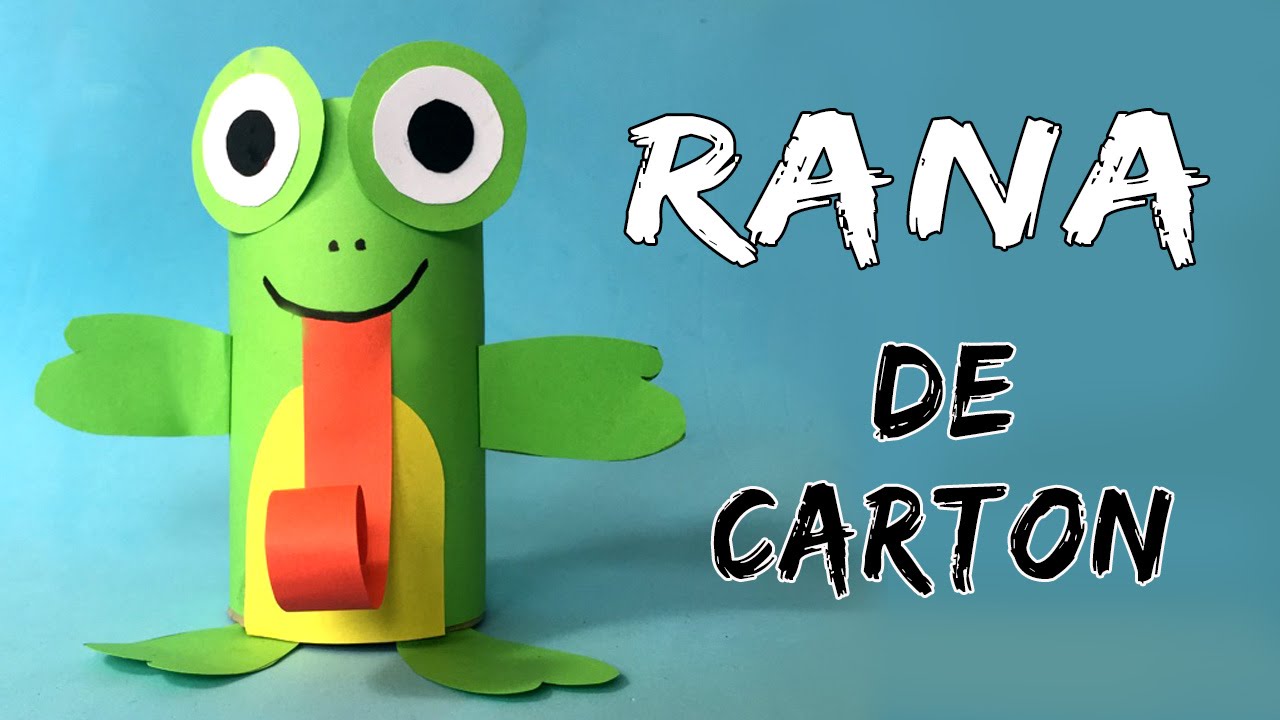
3. Craft (optional activity) You need a paper tube of toilet paper.

 RANA de cartón * Manualidades de reciclaje - YouTube

THANK YOU FOR YOUR WORK TODAY!

Sunday, March 29, 2020

ENGLISH

Monday, 30th of March

Did you have a good weekend? We hope so!

During this week, we are going to learn things about Easter. Students will learn about this festivity doing different activities, crafts, reading interesting things and singing songs.

Here, you can learn some vocabulary related to this festivity:

 Easter Make a Sentence Play Dough Mats, Vocab. Cards + Record ...

(Pascua, marzo, abril, conejito de Pascua,
conejo, huevo de Pascua, huevo, modelos,
decorar, Feliz Pascua, búsqueda de huevos de Pascua, buscar,
esconder, cesta, niñ@s, césped/hierba, 
flores, pájaro, nido, pollito, 
patito, caramelo, gominola, chocolate,
primavera, nueva vida, vacaciones de primavera, vacaciones,
familia, dar, sombrero, bollos cruzados calientes)


Now, read this poem:

 easter poems for children - Google Search | Inglés para niños ...

 Complete the following activities:
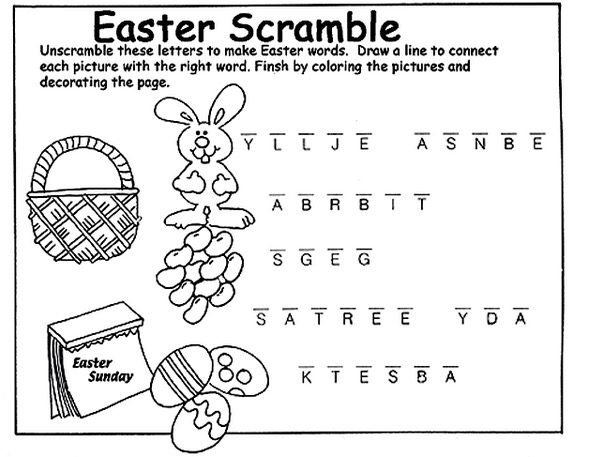
1. Put the letters in order to make Easter words. Copy them in your notebook or in a piece of paper.

easter-activity-sheet | Coloring Page Book

(Solution: jelly beans, rabbit, Easter Day, basket)

2. Do you want to do a Paper Bunny Craft? Here you have the instructions to do it.


Well done! See you tomorrow!

Friday, March 27, 2020

SCIENCE

Friday, 27th of March

Good morning girls and boys! Are you ok? We really hope you are all doing great during this time at home.

LESSON 4: BIRDS

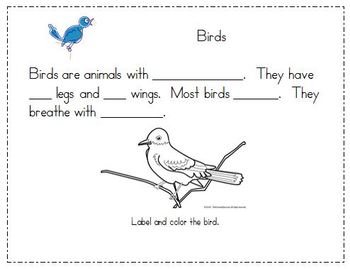
Birds have feathers (plumas), wings (alas), two legs and a beak (pico). Birds are oviparous. They lay eggs with hard shells. They live in different habitats. Most birds can fly.

Watch the video to learn some information about birds:


Listen to this song:


1. Copy this text with good letter in your notebook or in a piece of paper.


Resultado de imagen de exercises about birds for kids


2. Fill in the missing vowels for each bird.


Resultado de imagen de exercises about birds for kids
 3. Complete the gaps with the following words (fly, two, feathers, two, lungs)

Resultado de imagen de exercises about birds for kids

 (When you finish you can check the answers:
Activity number 2: penguin, owl, parrot, ostrich, eagle, duck, chicken, crow
Activity number 3: feathers, two, two, fly, lungs)


Thank you and see you on Monday!

Thursday, March 26, 2020

MATEMÁTICAS

Hoy vamos a estudiar la diferencia entre círculo y circunferencia.

La CIRCUNFERENCIA es una línea curva cerrada. Todos sus puntos están a la misma distancia del centro.

 Resultado de imagen de circunferenciaResultado de imagen de circunferencia

El CÍRCULO es la circunferencia y su interior.
Resultado de imagen de circulo 
 Resultado de imagen de círculo

Aquí va un video explicativo. Espero os sirva de ayuda para entenderlo bien.


¡Hasta mañana! 😘😘😘

LENGUA

Jueves, 26 de marzo

¡Buenos días! Después de trabajar lo que son las fábulas, os proponemos que veáis las siguientes:

- Fábula de la paloma y la hormiga.
- Fábula de la zorra y las uvas.
- Ratón de campo, ratón de ciudad.
- Fábula de las cabras testarudas.
- Fábula de la liebre y la tortuga.


¡Esperamos que os gusten! 😘

ENGLISH

Thursday, 26th of March

Good morning guys! How are you today? Are you doing your work at home? I hope so! 😜

In this unit nº 3, as you know, we have also studied about different ways of transport. What ways of transport do you know?

Listen to these songs and sing along!


Now, pay attention to this video about land, water and air means or transport:


In your notebook or in a piece of paper, write numers from 1 to 30 and write the means of transport in the correct place.


https://cdn.slidesharecdn.com/ss_thumbnails/meanstransport-130523092506-phpapp02-thumbnail-4.jpg?cb=1369301141


Finally, write some sentences with I LIKE and I DON¨T LIKE.

For example:

- I like planes. I don´t like buses.
1.__________________________.
2.__________________________.
3.__________________________.


Thanks for you efforts and see you tomorrow!!!

Wednesday, March 25, 2020

SCIENCE

Wednesday, 25th of March

Hello boys and girls! How are you doing?

We know that staying at home all the time is very hard but it is necessary now. 💪💪💪
This is your work for today:

LESSON 3 MAMMALS

Mammals are viviparous. They have hair or fur. They can be herbivores, carnivores or omnivores. Mammals live in different habitats and can move in different ways. 

Watch this video.


Mammal characteristics, what is a mammal? These are the facts:

- Mammals must breathe air.

- Mammals are warm-blooded.

- Mammals have hair or fur.

- Mammals are vertebrates.

- Mammals birth live babies.

- Mammals take care of their babies.

- Mammals give their babies milk.
 

Let´s remember what we have learnt in the video and in the previous sentences and complete these activities:

1. Fill in the gaps with the correct words.
Resultado de imagen de activities about mammals

 2. Classify the following animals (frog, snake, hen, tiger, fish, elephant, chamaleon, dolphin, cat, bee, parrot, monkey)

                            MAMMALS                                   NOT MAMMALS


3. Read and write: vertebrates or invertebrates.

- Birds and frogs are ___________________ because they have a backbone.

- Spiders and butterflies are ___________________ because they don´t have a backbone.


Let´s finish today´s lesson with this very easy song!


THANK YOU FOR YOUR WORK! SEE YOU TOMORROW!!! BYE BYE!

LENGUA

Miércoles, 25 de marzo

¡Hola, hola! ¿Cómo va todo?
Que sepáis que todos los profes nos acordamos muchísimo de vosotros y os echamos mucho de menos.
En el día de hoy, vamos a repasar las descripciones de animales. Aquí tenéis una canción en la que hay que adivinar el animal que se describe.


 ¿Habéis acertado?
¡Buen trabajo!
¡Hasta mañana!

Tuesday, March 24, 2020

ENGLISH

Tuesday, 24 th of March

Good morning boys and girls!

Today, we are going to review the way for asking and giving directions.


Remember the following things:

- Excuse me, where is the museum?         Disculpe, ¿Dónde está el museo?

- Excuse me, how do I get to the museum?         Disculpe, ¿Cómo se va al museo?

- Turn left         Gire a la izquierda
 
- Turn right         Gire a la derecha
 
- Go straight on         Vaya recto
  
- Go up the street         Suba por esta calle


- Go down the street         Baje por esta calle


1. Look at this map and answer the following questions:

- You are in the RED arrow (flecha), where is the bank?
- You are in the BLUE arrow, where is the school?
- You are at the hospital, where is the sports centre?
- You are in the shopping centre, where is the library?

MATEMÁTICAS

Martes, 24 de marzo

EL RELOJ


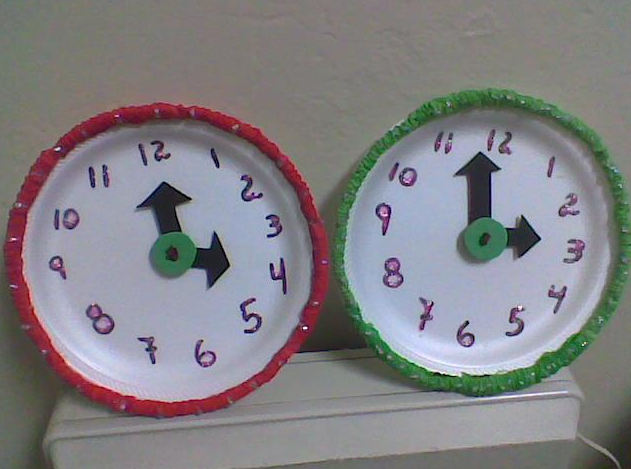
Recordamos las horas en punto y las horas y media.


¿Qué hora es? Cómo usar el reloj. Mira este video explicativo.


Ahora os propongo construir vuestro propio reloj con platos de plástico o papel, ahí van algunas ideas. ¡Manos a la obra!
Resultado de imagen de reloj manualidad platos de plasticoResultado de imagen de reloj manualidad platos de plastico

LENGUA

Martes, 24 de marzo

¡Buenos días a todos y a todas! Mucho ánimo con el martes.
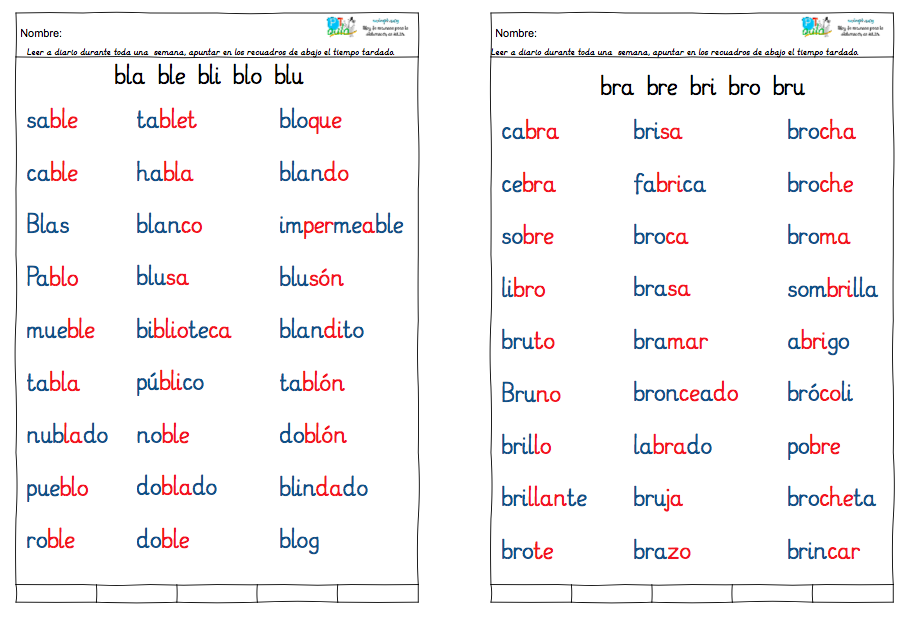
Aquí os traigo la canción El Juego de las Palabras para repasar un montón de ellas escritas con br y bl. ¡Todos a cantar!
 Y seguimos con una pequeña explicación:


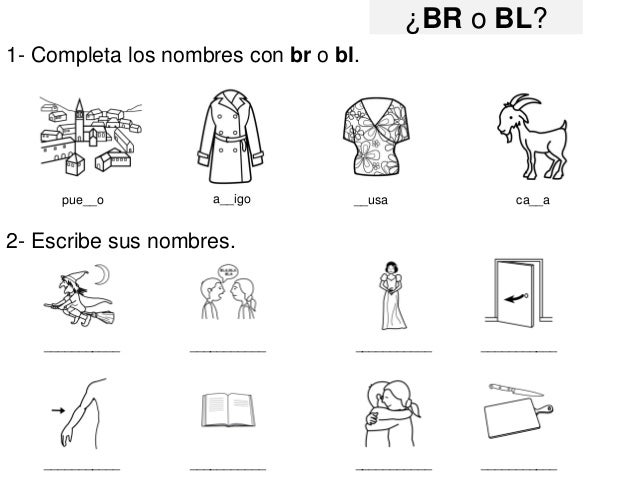
Aquí tenéis dos hojas con varios ejemplos de palabras que llevan br y bl, ¡Vamos a leerlas en voz alta!

 Resultado de imagen de ejercicios con br y bl
- Elige 3 palabras con br y otras 3 con bl y escribe una oración con cada una de ellas.


Resultado de imagen de ejercicios con br y bl

Monday, March 23, 2020

ENGLISH

Monday, 23rd of March

Good morning boys and girls! How are you today?
I really hope that all of you are very well! This is your work for today.
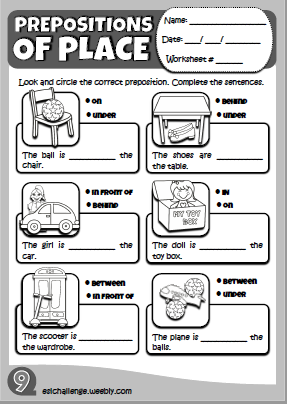
We continue in Unit 3, we are going to remember prepositions of place
Have a look at this video!


Resultado de imagen de ejercicios de prepositions of place para niños
1. Complete the sentences with the correct prepositions. Write them in your notebook or in a piece of paper.

 Imagem